Understanding FSC and GREENGUARD: How Certification Impacts Your Furniture Choices
A deep dive into the certifications that shape sustainable furniture decisions, with practical guidance for buyers who want transparency, safety, and environmental accountability.
In a world where furniture choices can echo through our health, homes, and horizons, certifications act like trusted signposts along the path to greener living. Among the most referenced and widely recognized are FSC (Forest Stewardship Council) and GREENGUARD. Each certification serves a distinct purpose: FSC focuses on responsible forest management and traceability of wood products, while GREENGUARD emphasizes indoor air quality by vetting chemical emissions from furniture and finishes. Understanding what these marks mean—and what they do not—empowers you to evaluate claims, compare products, and shop with confidence.
This guide unpacks the meaning of FSC and GREENGUARD, explains how to verify claims on product labels, and offers a practical checklist you can use at the point of purchase. We’ll also explore how these certifications apply to common materials like solid wood, bamboo, and natural textiles, including beds, sheets, and cribs. For readers of Organic Furniture, this is a map to navigate claims with clarity, not gimmicks.
What FSC certifies and why it matters
The Forest Stewardship Council is a global nonprofit that promotes responsible forest management. When a product bears an FSC certification, it signals that the wood used comes from forests that meet rigorous environmental, social, and economic standards. FSC certification comes in several varieties, including:
- FSC 100%: All fibers originate from FSC-certified forests.
- FSC Mix: A mix of FSC-certified material and controlled wood in the final product.
- FSC Recycled: Recovered material that has been reprocessed for new products.
For furniture, FSC certification offers several assurances: a credible chain of custody from forest to furniture, reduced risk of illegal logging, and the promotion of biodiversity and community well-being. Materials like solid wood, bamboo, or engineered wood can carry FSC labels, provided the supply chain maintains traceability from forest harvest to showroom floor.
In practical terms, FSC matters because it reduces the environmental and social footprint of wood products. When a dining table, bed frame, or bench carries FSC certification, you can feel more confident that the wood was harvested with respect for ecosystems and Indigenous rights, and that workers were treated according to recognized labor standards.
What GREENGUARD certifies and why it matters
GREENGUARD stands for a set of rigorous air-quality standards applied to products and materials used indoors. GREENGUARD certification focuses on low emissions of volatile organic compounds (VOCs) and other harmful substances that can affect indoor air quality. The goal is to create healthier living spaces, particularly important for nurseries, bedrooms, and homes with sensitive occupants.
There are multiple GREENGUARD programs, including GREENGUARD Gold, which sets even stricter limits for emissions and is often used for environments requiring the lowest possible chemical exposure. Finishes, adhesives, foams, textiles, and solid wood items can carry GREENGUARD marks if they meet the thresholds for VOCs and other potential off-gassing compounds.
When you see a GREENGUARD label, you’re looking at verified data about emissions. This helps homeowners minimize exposure to potential irritants and pollutants. It’s especially meaningful for households with children, the elderly, or individuals with chemical sensitivities.
Interpreting certifications across product categories
Certifications are not blanket endorsements for all products in a category. A label like FSC on a solid wood dining table confirms the wood’s chain of custody and forest stewardship for that component. However, the same product might still contain coatings, finishes, or adhesives that carry different emissions profiles. To get a complete picture, look for multiple certifications that cover different aspects of the product, including:
- Wood origin and forest management (FSC, PEFC, or equivalent) for solid wood and engineered wood components.
- Adhesives and finishes with low or zero VOC emissions (GREENGUARD, GREENGUARD Gold, or equivalent).
- Textiles and fillings with bio-based or non-toxic certifications (Oeko-Tex, GOTS for textiles, etc.).
When evaluating a product, don’t rely on a single label. A well-constructed product may carry FSC wood alongside GREENGUARD Gold finishes and an Oeko-Tex textile certification for any fabric components. The synergy of multiple verifications creates a stronger assurance of environmental responsibility and indoor air safety.
Practical steps to verify claims
Knowing what to ask is just as important as knowing what to look for. Here are practical steps you can adopt for a transparent purchase experience:
- Ask for the documentation: chain-of-custody certificates, certificate numbers, and issuing bodies. FSC has certificate IDs, validity dates, and scope descriptions that you can verify with the certifier.
- Request a supplier transparency statement: a document outlining materials, sourcing locations, and processing methods. This helps you understand the entire lifecycle of the product.
- Look for third-party verification: independent audits or certifications by reputable organizations increase credibility beyond marketing claims.
- Check the product’s material breakdown: identify where wood, textiles, adhesives, and finishes come from, and whether each component carries a certification or antimicrobial or low-VOC claim.
- Compare across products: use a simple checklist to compare FSC status, GREENGUARD emissions, and other relevant certifications to ensure consistency in criteria.
Remember: certifications can evolve with new standards. A product labeled two years ago may still meet the older criteria but could fall short of new thresholds. It’s wise to confirm current certifications at the time of purchase.
Materials spotlight: how certifications apply to common options
Solid wood, bamboo, and natural textiles are common in sustainable furniture. Here’s how certifications intersect with each:
- Solid wood: FSC-certified solid wood ensures forestry practices meet sustainable standards and traceability is maintained. Pair FSC with low-VOC finishes to limit indoor pollutants.
- Bamboo: Bamboo components can be FSC-certified if the harvest and processing adhere to responsible forest stewardship principles. Check for GREENGUARD or equivalent on adhesives and finishes used with bamboo panels.
- Natural textiles: For beds and upholstery, look for GOTS or Oeko-Tex labels on textiles, along with GREENGUARD on any foam or padding used in cushions or bedding accessories.
When a product combines FSC wood with GREENGUARD Gold finishes and textile certifications, you gain a strong, multi-faceted assurance about sustainability, safety, and air quality—crucial considerations for family homes and wellness-focused interiors.
Case studies: real-world applications and insights
To illustrate how these certifications translate into everyday purchases, consider three timeless furniture moments that blend design with responsibility.
1) The Heartwood Shaker Bench by Vermont Furniture Designs
The Heartwood Shaker Bench is a testament to enduring form and sustainable craft. Crafted from solid wood, it carries an ethos of minimalism with a line of clean, functional beauty. The bench’s eco-friendly natural oil and wax finishes highlight the grain and protect the wood without introducing harsh solvents. For a family dining nook or entryway, this piece pairs timeless Shaker simplicity with responsible sourcing. The product imagery showcases the bench in warm, sunlit spaces, inviting a sense of calm that aligns with the Organic Furniture identity.
Why it matters for certifications: While the bench’s finish is designed for low-VOC performance, you’d verify whether the wood is FSC-certified and whether any adhesives or alternative finishes used in related pieces meet GREENGUARD standards. This combination supports both material integrity and indoor air quality.
Design note: The bench’s versatility—suitable for dining, entryways, or living zones—embodies a design philosophy that favors longevity and adaptability, a hallmark of sustainable interiors.
Product image (selected):

2) Modern American Dining Table (Natural Wood Options)
This handcrafted table, offered in natural cherry, maple, or walnut, demonstrates how wood choice influences both aesthetics and sustainability. An eco-friendly oil finish preserves the grain and minimizes emissions, while the table’s engineering highlights durable, long-lasting construction. For larger dining rooms or open-plan spaces, such a piece acts as a focal point that remains relevant across design seasons.
Certification angle: For buyers, it’s useful to confirm FSC certification for the wood and to inquire about the finish’s VOC content. If the product carries GREENGUARD Gold or similar emissions standards, you gain additional assurance about indoor air quality in social spaces where meals and gatherings occur.
Product image (selected):

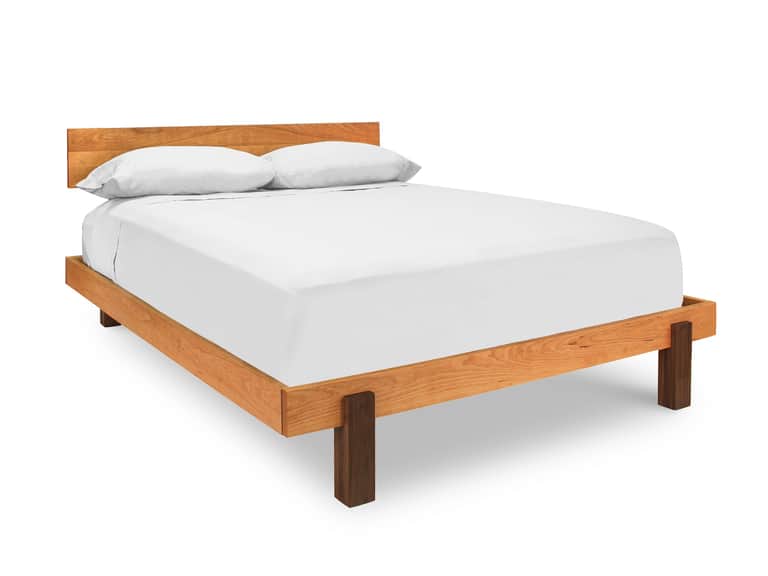
3) Modern American Platform Bed (Solid Hardwood)
A solid hardwood platform bed with an eco-friendly oil finish offers a refined silhouette that pairs seamlessly with a variety of bedding styles. The natural wood choices (natural cherry, maple, walnut) and the visible grain celebrate authenticity while maintaining a durable foundation for nightly use. This bed embodies a blend of Art Deco-inspired lines and timeless modernism, making it a longevity-driven centerpiece for the bedroom.
Certification considerations: The bed’s primary material is solid wood; ensure that the wood is FSC-certified if sustainability is a priority. GREENGUARD or similar emissions labeling for the finishes and adhesives can further bolster the bed’s suitability for sleep environments.
Product image (selected):
Key individuals from different time periods shaping sustainable furniture narratives
Across generations, thoughtful designers and advocates have influenced how we approach materials, production, and the ethics of interior environments. Here are three pivotal figures who help illuminate the conversation about FSC, GREENGUARD, and responsible furniture:
Greta Thunberg (born 2003)
While not a designer, Greta’s climate advocacy catalyzed a global shift in consumer expectations around sustainability. Her emphasis on urgent action and accountability echoes in how households scrutinize certifications, supply chains, and the environmental impact of everyday purchases. Greta’s voice helps frame furniture decisions as part of a broader ethical stance—demand transparency, demand responsible sourcing, demand accountability.
Jane Andrews (born 1930s)
A pioneer in midcentury modern sustainability, Andrews championed durable, ethically produced wood furniture. Her writings and designs highlighted a respect for craftsmanship, timeless materials, and the social responsibilities of makers. Her legacy resonates with today’s FSC conversations, reminding us that responsible forestry and fair labor are integral to great design.
Carlos Mendes (born 1960s)
An influential voice in sustainable manufacturing, Mendes helped mainstream the idea that low-VOC finishes and safe textiles are not mere trends but essential standards for healthy homes. His advocacy for independent testing and third-party verification aligns with GREENGUARD’s mission to prioritize indoor air quality.
Putting certifications into practice: a buyer’s checklist
- Identify the core material and its certification status (wood, bamboo, textiles). Look for FSC or PEFC for wood, and GOTS or Oeko-Tex for textiles.
- Check for a comprehensive emissions claim. GREENGUARD Gold is particularly relevant for spaces with vulnerable occupants.
- Request chain-of-custody documentation and verify with the issuing bodies’ databases when possible.
- Cross-check with product data sheets, lab reports, or certificates, and ensure the absence of conflicting labels (e.g., a wood label without a corresponding finish certification).
- Consider the full lifecycle: sourcing, processing, use, and end-of-life options. Choose products designed for durability and recyclability or refurbishing potential.
Final thoughts: making informed, healthier choices
Certifications like FSC and GREENGUARD are more than marketing badges. They reflect commitments to credible forest management, responsible material sourcing, and safer indoor environments. When you combine FSC’s forest stewardship with GREENGUARD’s emissions criteria, you assemble a product profile that supports environmental health, human well-being, and enduring design. The goal is not to chase a perfect certification, but to cultivate a transparent, data-driven approach to furniture that respects people and the planet.
As you continue your journey with organic furniture and sustainable living, keep curiosity at the forefront. Ask questions, request documentation, compare across brands, and chart your path toward spaces that feel as good as they look. The furniture you choose is not just a reflection of your style—it’s a statement about the kind of world you want to inhabit.
Resources and next steps
To deepen your understanding, explore these practical resources and next steps:
- Visit FSC and GREENGUARD official websites for certification criteria, validity, and database search tools.
- Download product-specific certificates and validate numbers with certifiers.
- Engage with designers and manufacturers who publish transparent sourcing and testing data.
- Consider joining or following sustainability-focused design communities that share best practices and updates on certification standards.