Placemats are versatile textile components designed to protect tabletops and define dining or work spaces, while contributing to aesthetic and functional comfort. In organic furniture contexts, placemats often emphasize natural fibers, sustainable finishes, and low environmental impact. For households focusing on wellness, features such as weave density, thickness, and heat resistance support everyday usability and long-term care considerations.
Key characteristics of placemats include material composition, edge finish, and ease of maintenance. Organic options typically prioritize untreated or low-emission fabrics, making them suitable for sensitive environments. Functional benefits extend from spill resistance to heat protection, with subtle textures that enhance grip, reduce slipping, and preserve surface integrity during meals and crafts.
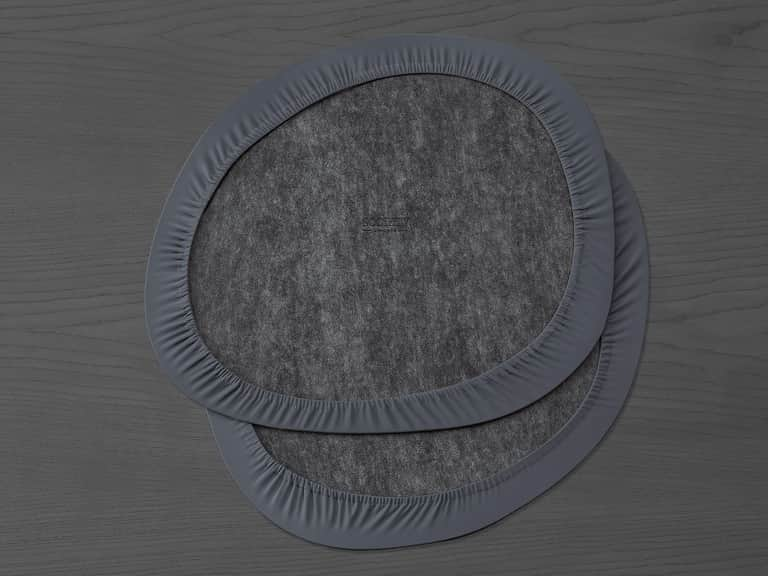
Foam Housse placemats offer a distinctive approach by pairing a foam core with a protective cover, combining cushioning with surface protection. The foam layer helps absorb impact and minor spills, while the outer cover can feature easy-clean materials. This combination supports comfortable dining experiences and SES-friendly usage in studios or classrooms.
Foam Placemats introduce enhanced resilience and padding in a lightweight format. The foam core provides insulation against cooler tabletops and reduces noise from utensils, contributing to a pleasant dining or work environment. Paired with a protective, wipe-clean surface, these placemats support quick maintenance and consistent performance over time.
Foam Housse innovations continue to explore practical benefits such as antimicrobial-treated surfaces, durability under daily use, and compatibility with other organic textile products like nursery pads and bedding. Understanding these placemats within an organic furniture framework helps clarify their roles in protecting surfaces, supporting safety, and sustaining room aesthetics.
 Table